
Amache National Historic Site
Amache National Historic Site is one of Colorado’s most powerful places to visit. On the open High Plains near Granada, a reconstructed guard tower, a barrack and a water tower rise over the foundations of the Granada Relocation Center, where more than 10,000 Japanese Americans were incarcerated during World War II. It is quiet, moving and essential.
Amache National Historic Site in Granada, CO
On Feb. 19, 1942, President Franklin D. Roosevelt signed Executive Order 9066, which led to the forced removal of people of Japanese descent from the West Coast. Families were given one to two weeks to pack a suitcase or two, held at temporary “assembly centers” such as Merced and Santa Anita, and then sent inland. The War Relocation Authority officially named this camp the Granada Relocation Center, but its residents called it Amache after its postal designation, a name honoring Amache Ochinee Prowers, a Cheyenne woman. Unlike other WRA sites, Amache was built on seized private ranch land. It was the smallest camp by population, yet at its peak in 1943 it held 7,318 people, making it the 10th largest population center in Colorado. In all, 10,331 people passed through.
Incarcerees planted trees and gardens, formed sports teams and art classes, built Christian and Buddhist places of worship and created a city behind barbed wire, with schools, a hospital, fire and police departments and a co-op store. The last resident left on Oct. 15, 1945, given $25 and a train ticket. Today the site holds a cemetery and memorial, an intact road network and concrete foundations, which are unique to Amache. A barrack has been reconstructed on an original foundation, a recreation hall has been returned and restored, and visitors can see a reconstructed guard tower and a restored water tower. Amache was authorized as a national park unit in 2022 and is part of the NPS High Plains Group with Sand Creek Massacre National Historic Site and Bent’s Old Fort.
Start your visit at the Amache Museum at 205 E. Goff Ave. in Granada, run by Granada High School students with the Amache Preservation Society. It has exhibits, artifacts donated by survivors and descendants, a restroom and the NPS passport stamp. Then drive about 1.5 miles west on U.S. 50/385 and turn south on County Road 23 5/10 to the site, which is open during daylight hours and is not gated. Download the self-guided driving tour from amache.org, bring water and wear long pants and closed-toe shoes: there are no restrooms or drinking water on site, the ground is uneven, and cactus, yucca and rattlesnakes are common. Insider tip: Amache is an active archaeology site, so leave any artifacts exactly where you find them.
Photo Gallery
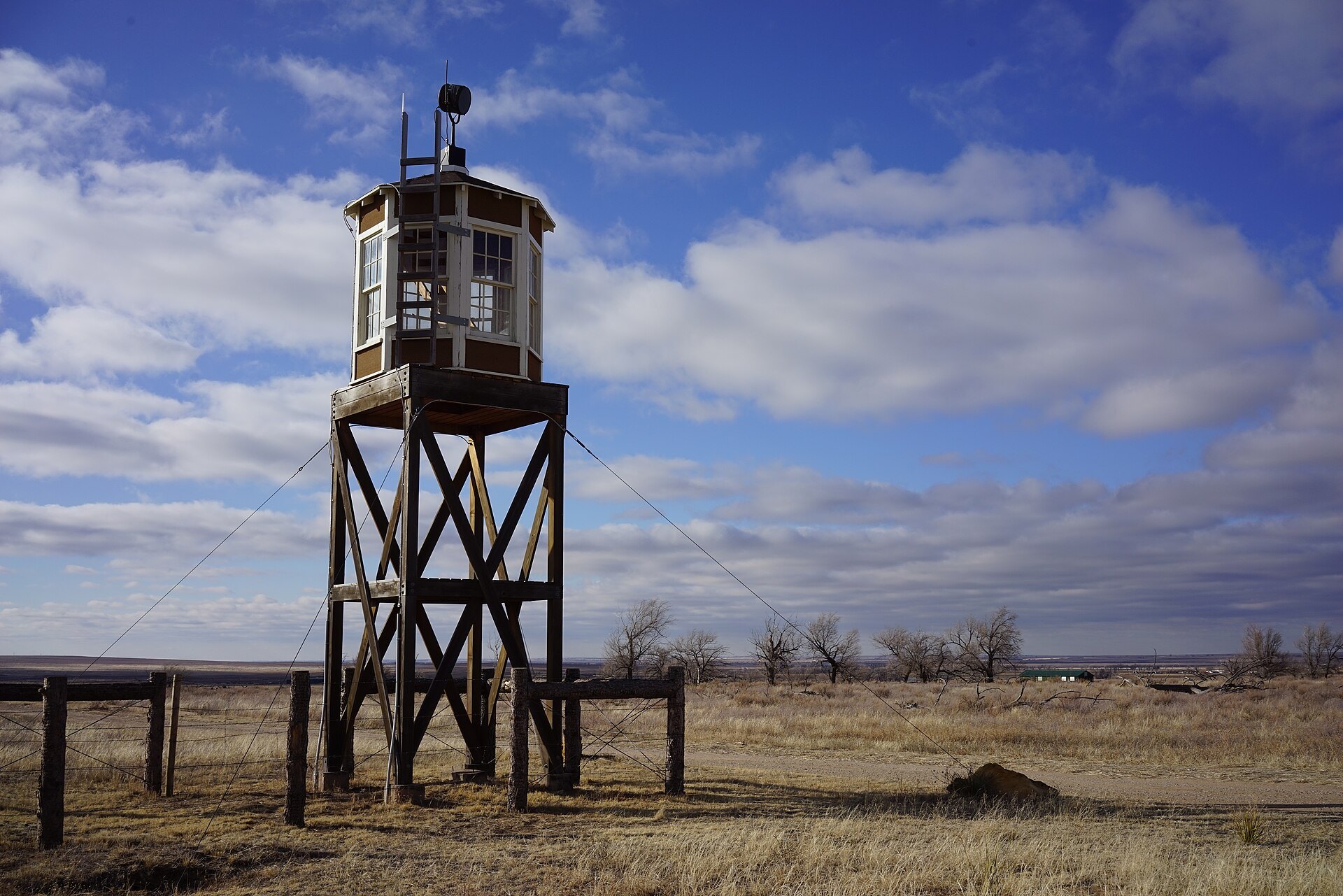
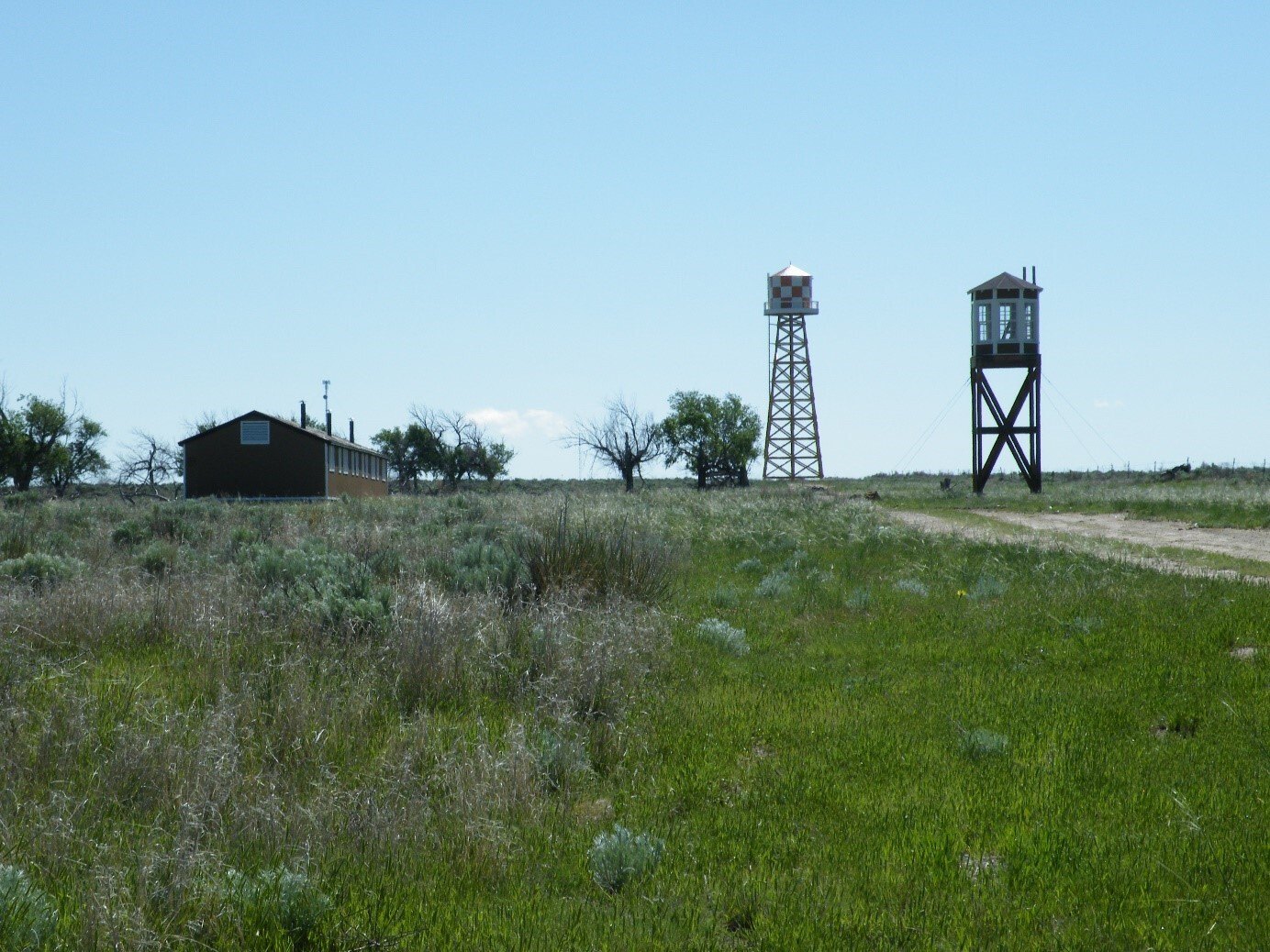
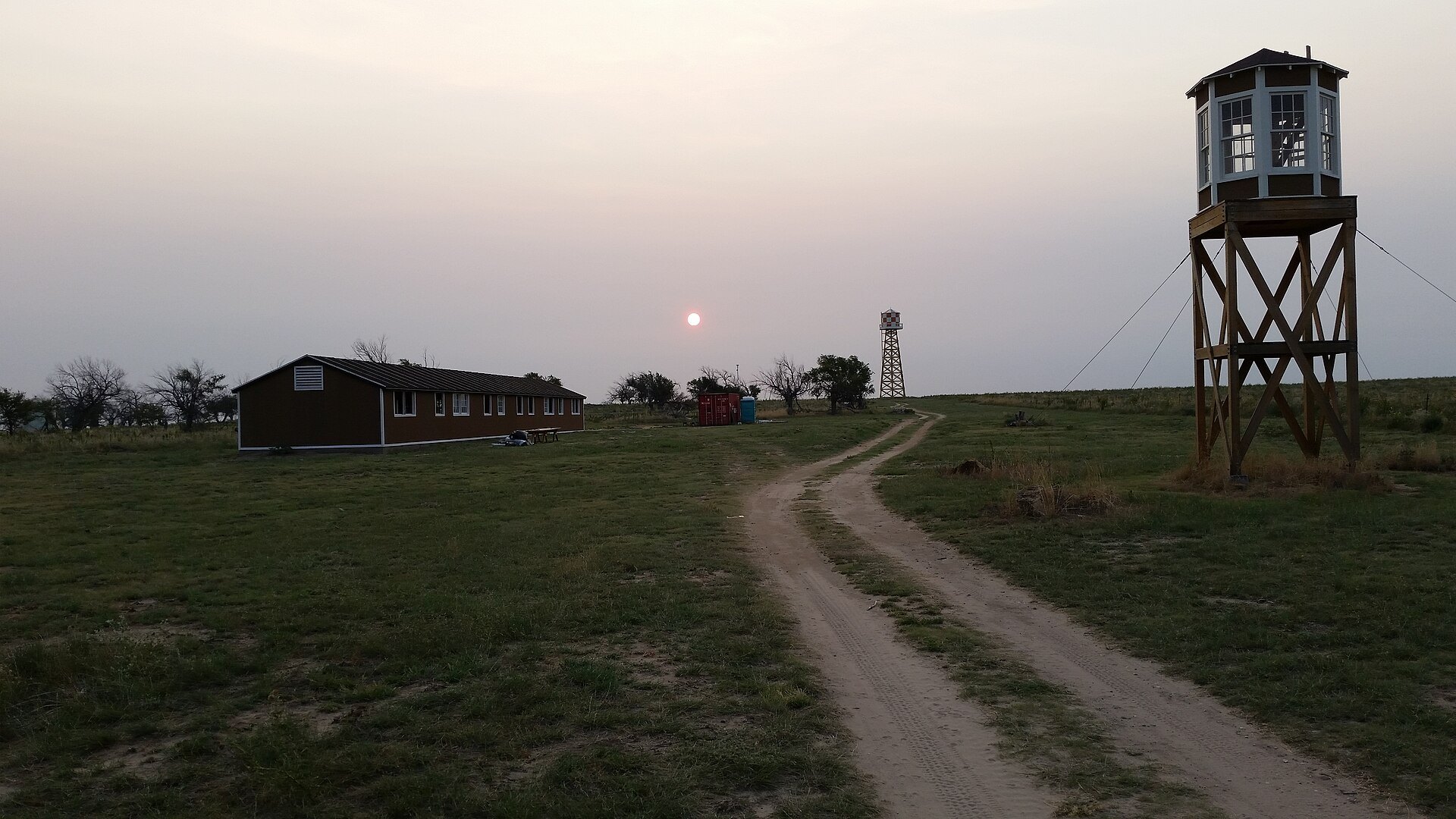
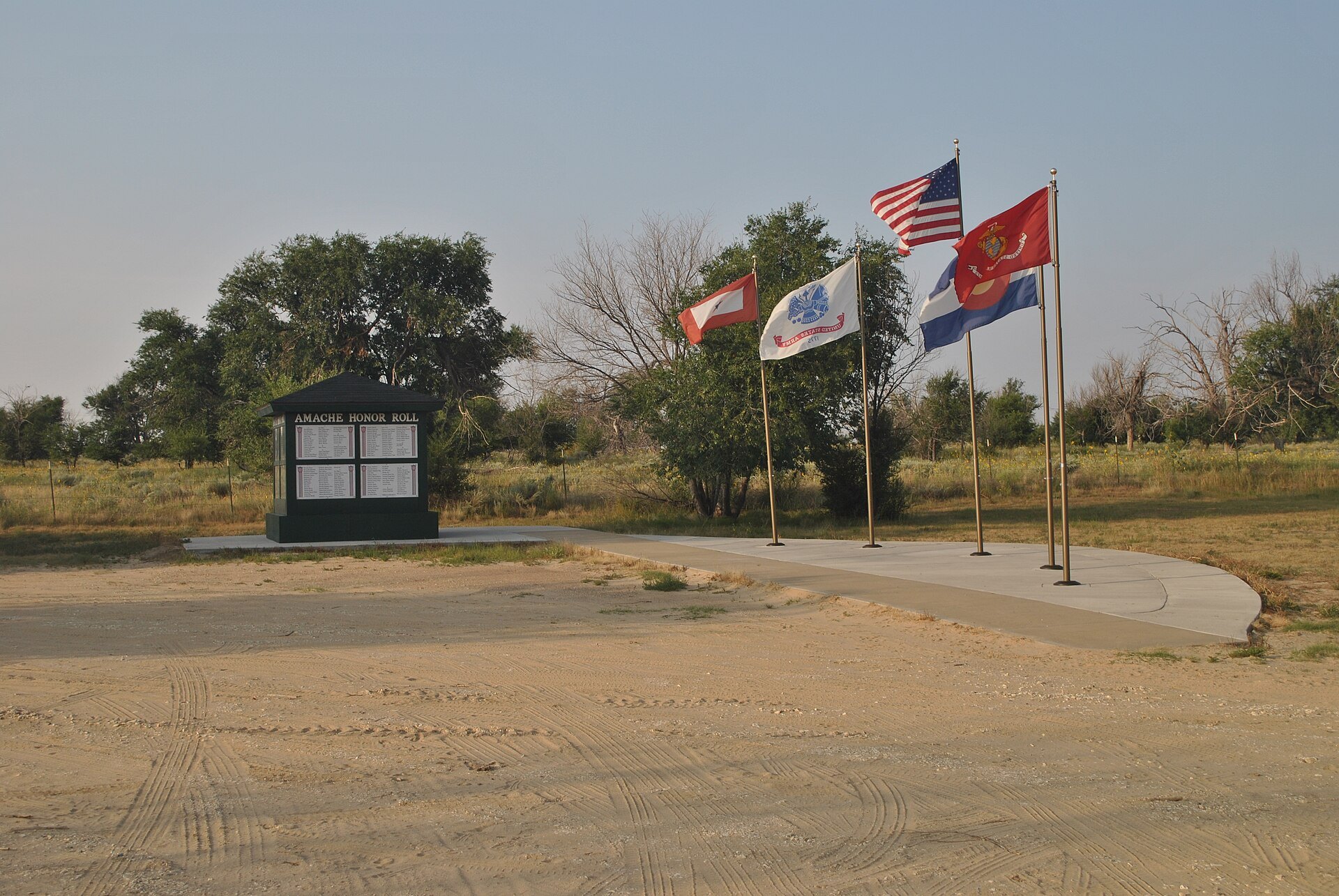
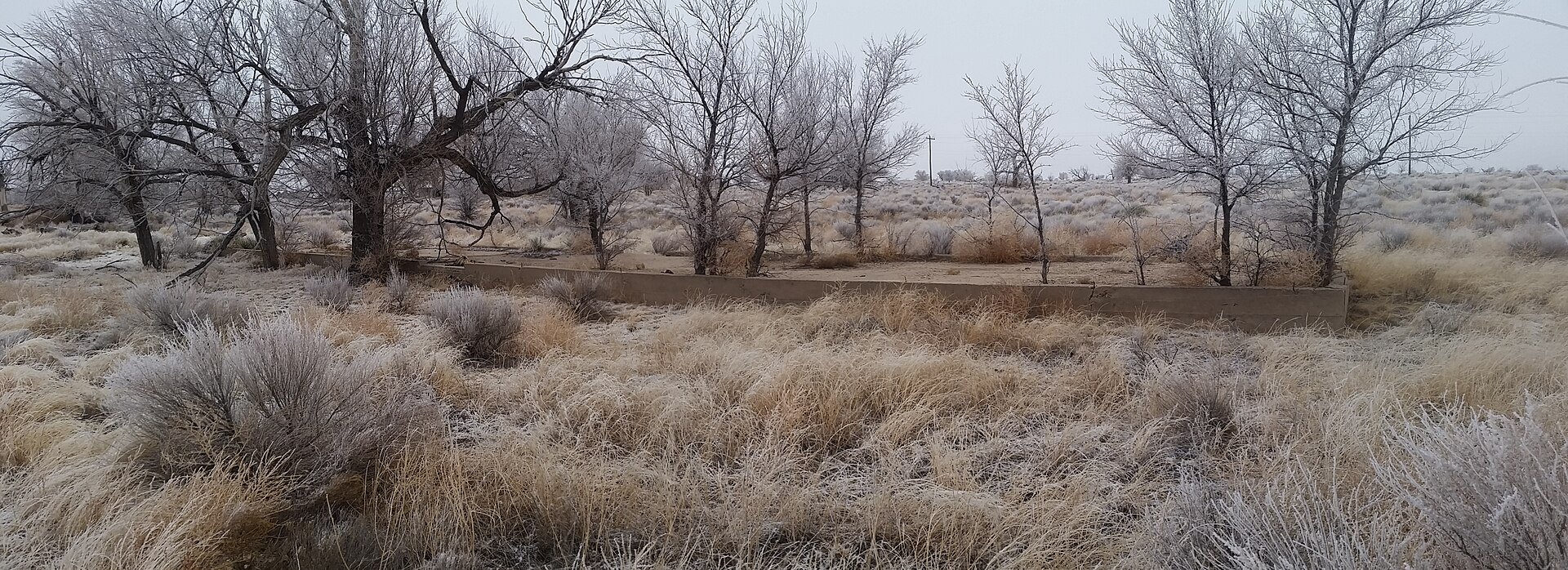
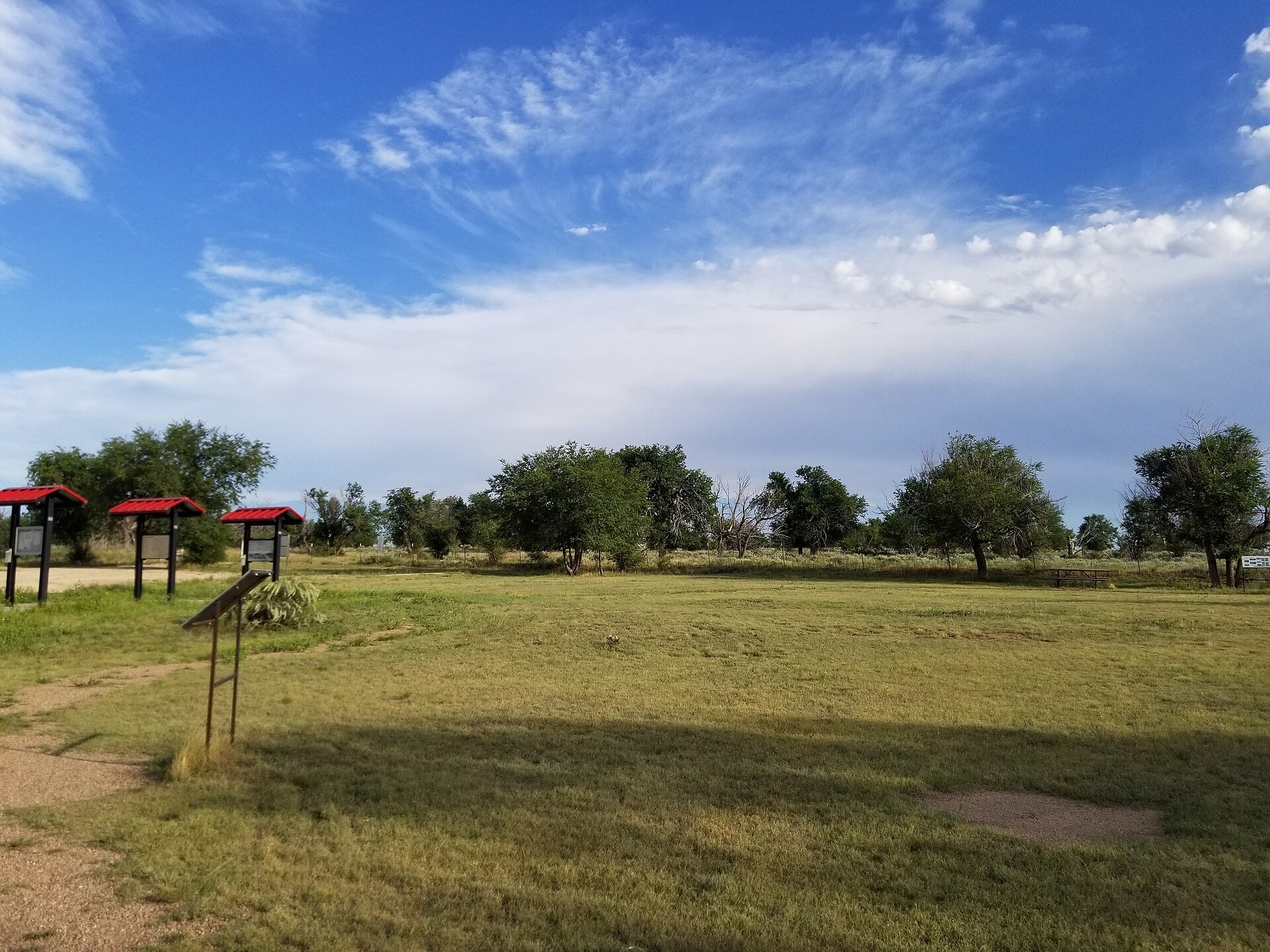
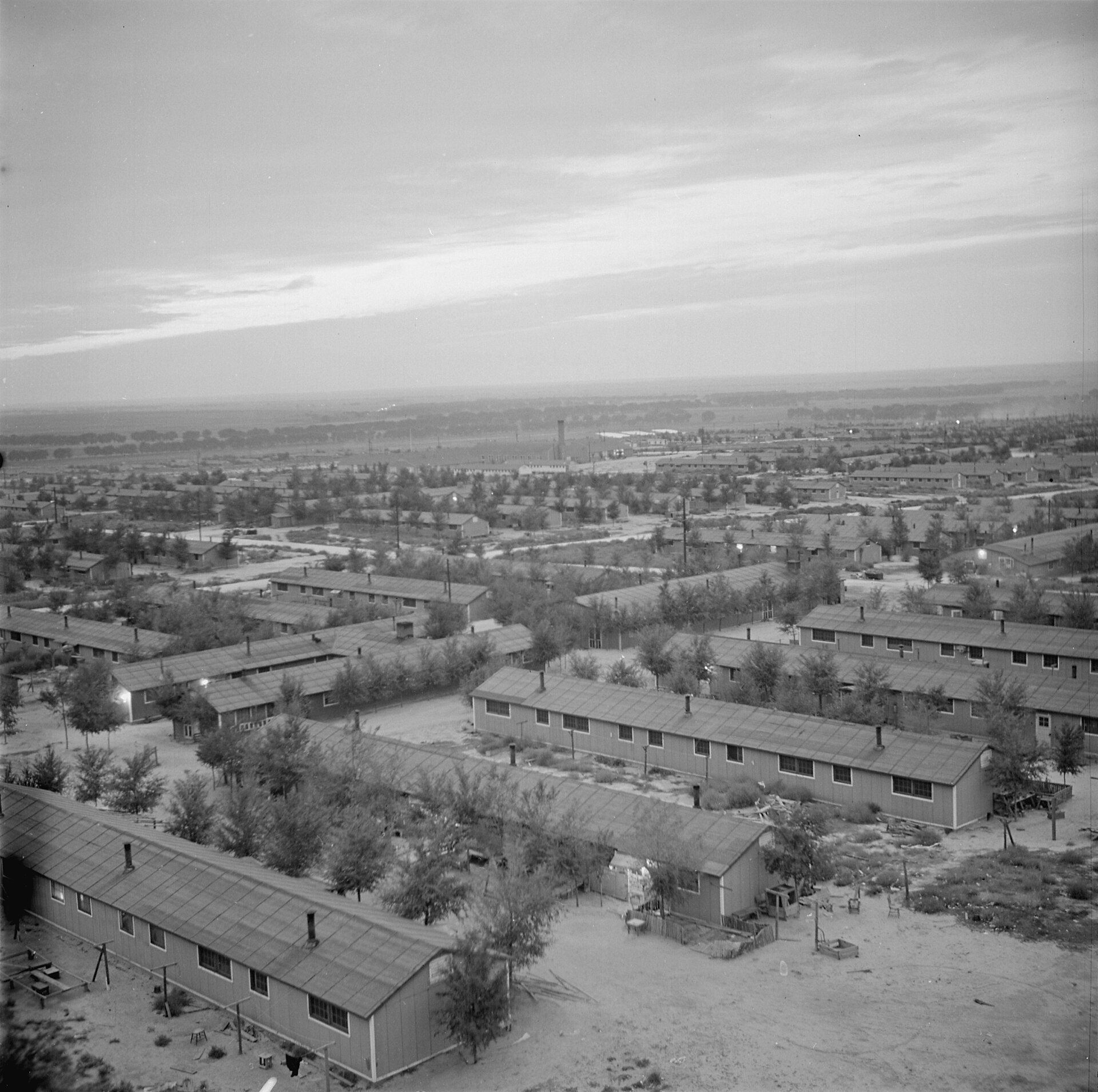
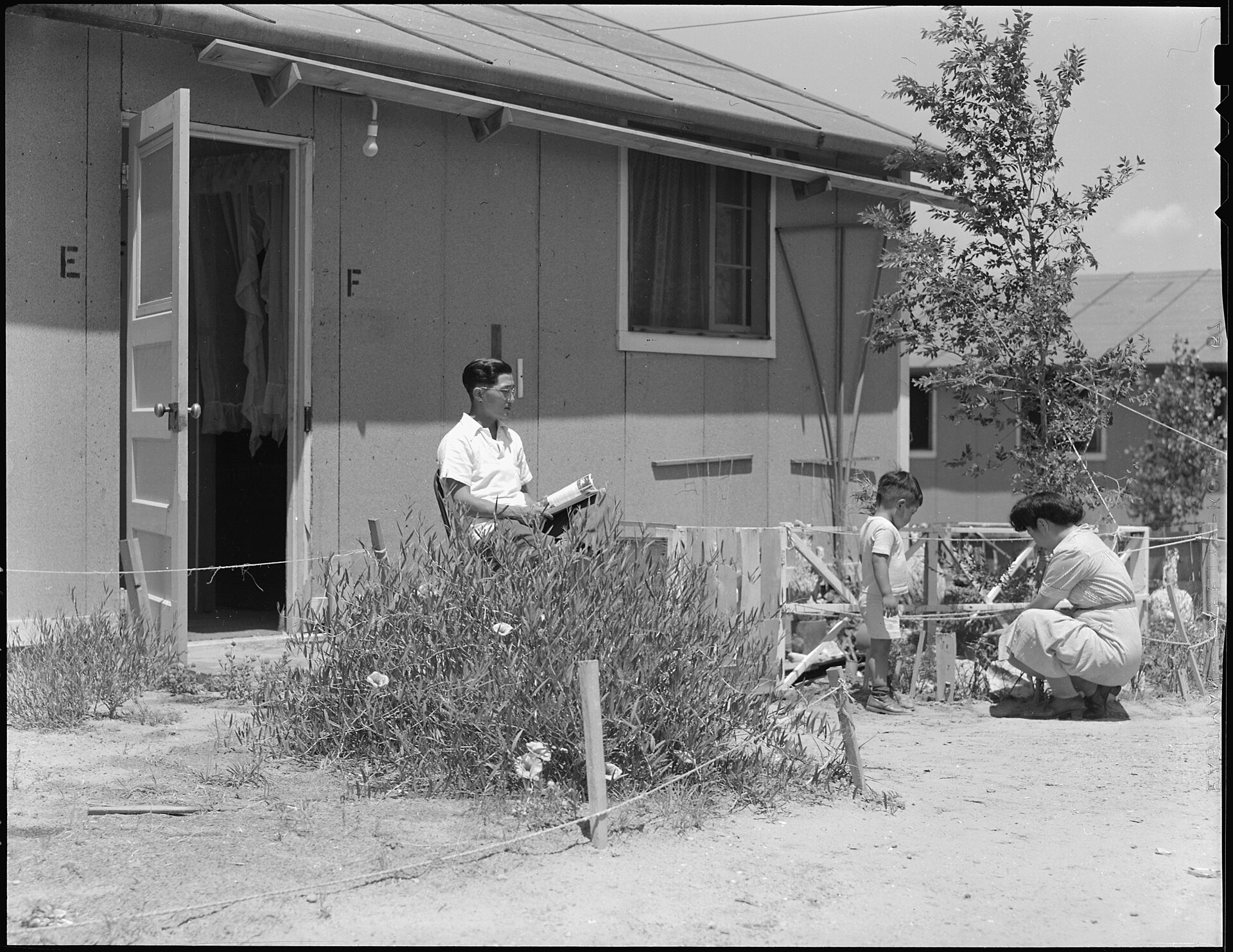
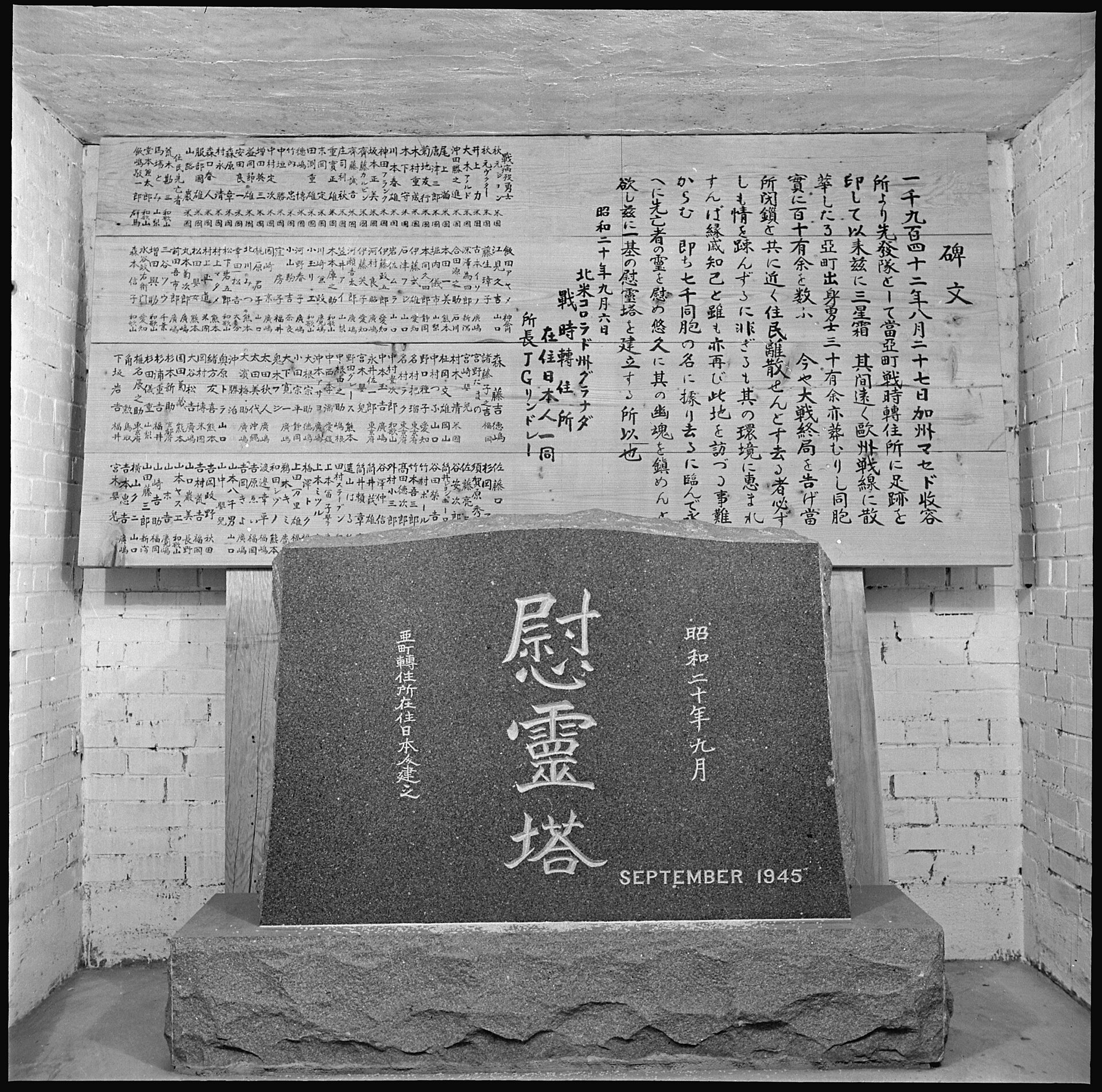
Photo credits: The octagonal guard towers were unique to Amache. (49e08f28-1431-4d16-8df5-8e65be923013) by NPS Photo (Public domain); Restored Barrack, Water Tower, and Guard Tower (c7ed893c-4675-4d9d-8c6f-a5a735b452fe) by NPS Photo (Public domain); Save photo 2 by Coloradopreservation (CC BY-SA 4.0); Visitors to Amache are first greeted by an Honor Roll and flag poles. The Honor Roll contains the names of all of the residents (49ec4ea2-3a79-4f32-8985-c4f0f45b25e0) by NPS Photo (Public domain); Amache was the only WRA site that had concrete foundations. Many of them remain today. (3277ede7-3e81-4312-8562-f6ce36a62f55) by NPS Photo (Public domain); Granada War Relocation Center Entrance by Coasterlover1994 (CC BY-SA 4.0); Granada Relocation Center, Amache, Colorado. A section of the Amache Relocation Center at Granada, . . . – NARA – 539940 [WRA-era photo of the camp, 1940s] by Hikaru Iwasaki (Public domain); Granada Relocation Center, Amache, Colorado. These are typical evacuee quarters in the Granada Relo . . . – NARA – 539626 [barrack quarters, WRA photo 1940s] by Charles E. Mace (Public domain); Granada Relocation Center, Amache, Colorado. Granite monument erected in memory of the center resid . . . – NARA – 539927 [cemetery memorial, WRA photo 1940s] by Hikaru Iwasaki (Public domain). Images via Wikimedia Commons.
News & Events
The National Park Service is still building this young park: there is no visitor center or official brochure yet, and park operations are based at the Amache Museum in Granada. The museum is open Monday through Friday, 8 a.m. to 4 p.m., Saturday by appointment, and closed Sunday and major holidays. Each May, former incarcerees, descendants and supporters gather for the annual Amache Pilgrimage. Updates: nps.gov/amch.
Frequently Asked Questions
What was Camp Amache?
Camp Amache, officially the Granada Relocation Center, was a World War II incarceration camp in southeastern Colorado where more than 10,000 Japanese Americans, most of them U.S. citizens, were held from 1942 to 1945.
Where is Amache National Historic Site?
It is about 1.5 miles west of Granada and 17.5 miles east of Lamar, off U.S. 50/385. Turn south on County Road 23 5/10 at the brown Amache sign.
Is Amache open to visitors?
Yes. The site is open during daylight hours and is not gated. There are no restrooms or drinking water on site; the Amache Museum in Granada has a restroom and is open weekdays from 8 a.m. to 4 p.m.
Is there a fee to visit Amache?
The National Park Service lists no entrance fee for Amache National Historic Site, and the site is not gated. Contact the park at 719-936-7600 with questions.
What is near Amache?
Continue your history road trip west to Bent’s Old Fort National Historic Site near La Junta, or north to Sand Creek Massacre National Historic Site. Lamar has more lodging and dining.
Amache National Historic Site, County Road 23 5/10 off U.S. 50/385, Granada, CO 81041. Mailing address: PO Box 44, Granada, CO 81041. Call 719-936-7600 or visit nps.gov/amch.